A yacht deck is far more than just the walking surface of a vessel—it’s a defining element of luxury, craftsmanship, and performance. From the warm aesthetic of teak wood to the practicality of modern prefabricated materials, the decking on a yacht tells a story of design decisions and yacht owner preferences. Whether you’re building a new yacht, refitting an older model, or simply maintaining your existing deck, choosing the right materials and finishes is crucial. In this guide, we’ll explore the different types of yacht decking, materials suited to various boat types, and how to keep your deck in optimal condition for years to come.
What Is a Yacht Deck?
A yacht deck serves several essential functions. Structurally, it supports the vessel’s layout and provides a safe, non-slip walking surface. Aesthetically, it sets the tone for the onboard experience, blending functionality with elegance. From foredeck sunpads to expansive aft social areas and sweeping flybridges, every deck space must withstand the harsh marine environment while offering visual appeal. For luxury yachts, especially, the deck is a key selling point—often handcrafted, precisely engineered, and carefully maintained to showcase the quality of the vessel.
Popular Materials for Yacht Decking
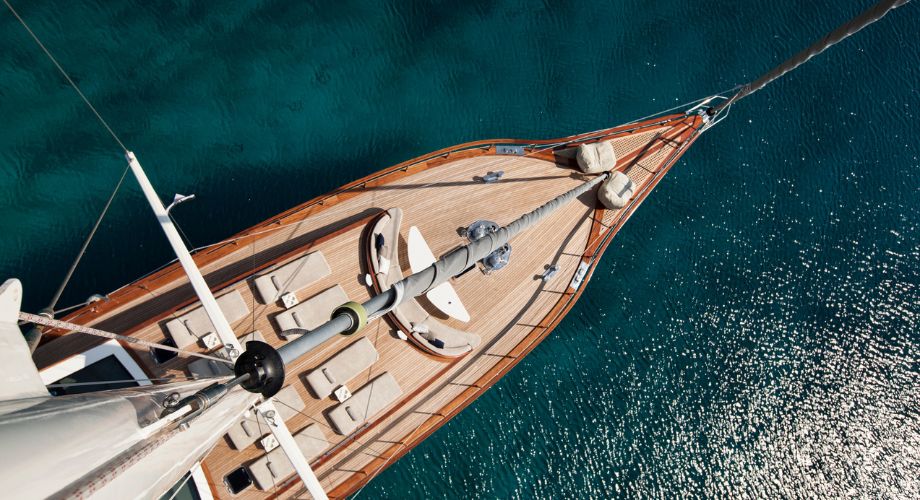
When decking a boat, materials matter. The most traditional and still widely preferred material is teak, a dense, oily hardwood renowned for its weather resistance, natural non-slip texture, and timeless look. Teak deck installations are particularly popular in superyachts, sailboats, and classic motor yachts. However, the growing demand for sustainability and lower yacht maintenance has led to increased interest in alternatives such as synthetic teak, composite wood, and prefabricated PVC-based options.
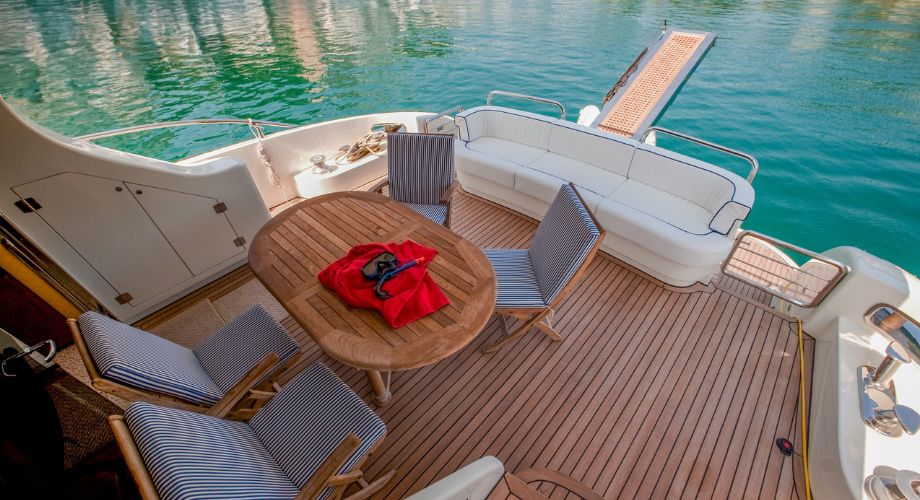
Wood boat decking beyond teak—such as Iroko (African teak) or mahogany—is sometimes used in custom or classic yacht builds but typically lacks the longevity and oil content of teak. While beautiful, these options require even more care.
Modern prefabricated decks offer lightweight, durable, and cost-effective alternatives. They come in a variety of textures and finishes designed to mimic natural wood without the same upkeep. These decks are commonly seen on mid-range motor yachts and refitted older boats.
Decking Options for Different Boat Types
The choice of decking material often depends on the type and yacht size. For decking for pontoon boats, practicality takes precedence over luxury. Pontoon decks typically use marine-grade plywood with carpet, vinyl, or composite overlays for comfort and durability. While teak is rarely used on pontoons due to cost and weight, synthetic teak can offer a stylish upgrade without compromising functionality.
Sailing yachts prioritize weight and grip. A deck on a sailing vessel must allow for safe maneuvering under various weather conditions. Teak is favored here not only for its beauty but also for its natural traction and minimal expansion or contraction with temperature shifts.
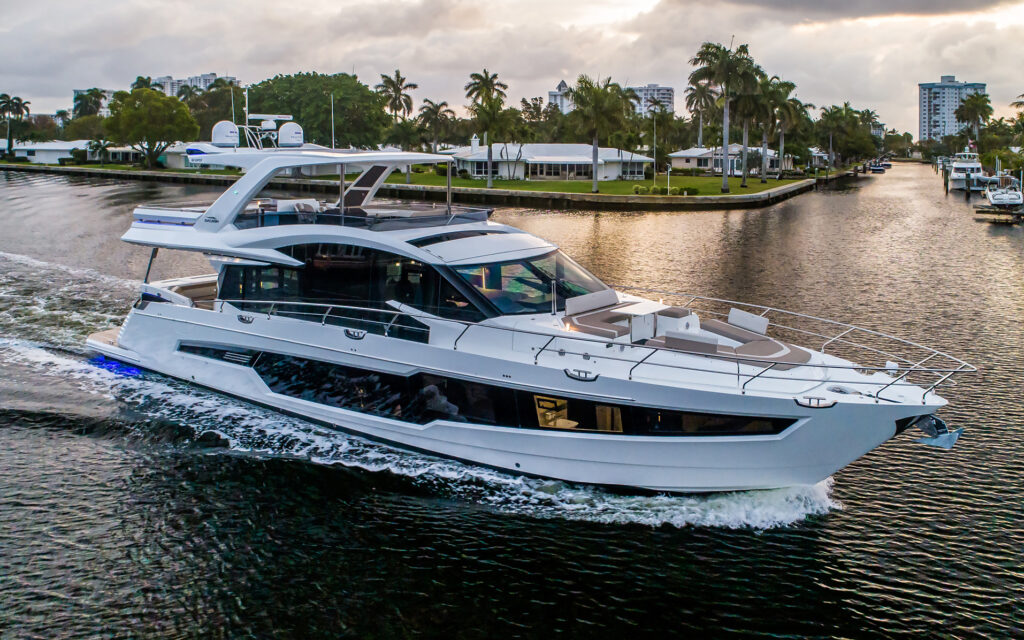
On a luxury yacht deck, aesthetics is king. Yacht builders and designers often work with skilled teak builders to create intricate patterns, seamless transitions between areas, and perfectly flush finishes. Some yachts even integrate lighting, drainage channels, or climate control into the decking itself to enhance the luxury experience.
Advantages of a Luxury Yacht Deck
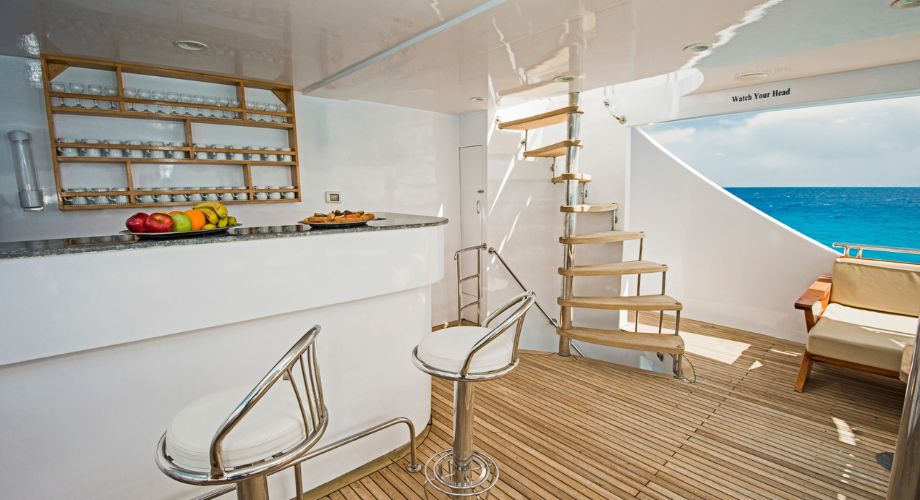
A luxury deck is an investment in both form and function. Beyond its visual allure, a teak or high-end composite deck increases the value of a yacht and signals superior craftsmanship to prospective buyers or charter clients. Teak is naturally weather-resistant, grippy even when wet, and gentle underfoot—making it ideal for barefoot relaxation or outdoor dining.
Additionally, the thermal properties of wood help regulate surface temperature, preventing the yacht deck from becoming uncomfortably hot under direct sun. This is a major advantage over some synthetic materials, which can retain more heat. With proper yacht design and sealing, a quality deck can also support modular furniture, hot tubs, or even helipads without compromising performance.
Maintaining Your Yacht Deck
Maintaining a yacht decking surface requires regular attention. For teak, this means gentle cleaning with soft-bristle brushes and periodic light sanding to preserve the natural finish without damaging the grain. Harsh scrubbing or pressure washing can accelerate wear and cause surface ridging. Specialized teak cleaners can remove grime and restore the wood’s golden hue, though many yacht owners prefer the natural silver patina that develops over time.
Synthetic and prefabricated decks are easier to maintain but still benefit from routine washing to prevent salt buildup and UV degradation. Avoid solvent-based cleaners that may harm adhesives or finish layers.
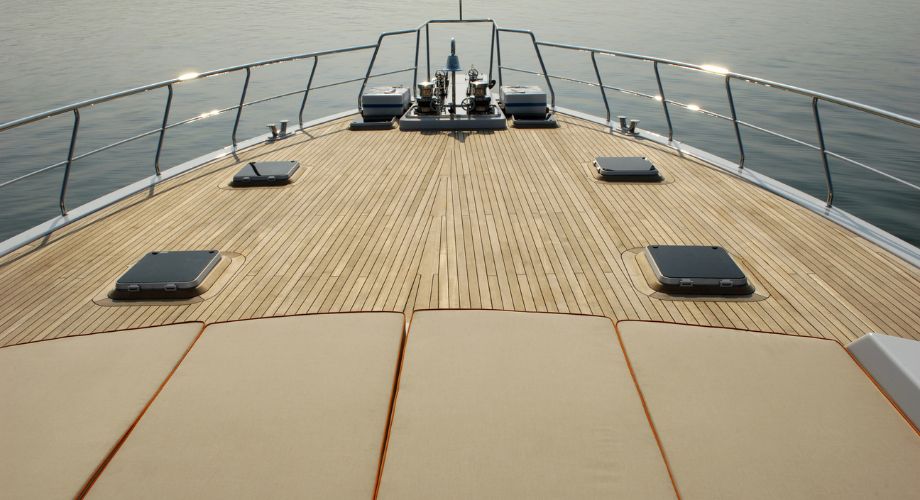
In either case, proactive maintenance extends the life of your deck and enhances its appearance. That includes checking for caulking deterioration, sealing gaps, and addressing any signs of delamination or moisture intrusion early on. For larger yachts, a professional deck refit or seasonal treatment schedule is often part of standard yacht maintenance protocol.
Elevating the Onboard Experience
The yacht deck is the stage upon which the luxury yachting lifestyle unfolds—sunset cocktails, family gatherings, and long voyages all take place here. Whether you’re working with traditional wood boat decking, cutting-edge prefabricated decks, or opting for decking for pontoon boats, the choices you make will directly influence comfort, performance, and resale value.
A well-crafted deck speaks to the quality of the vessel and the vision of its owner. It’s one of the most touched, seen, and utilized parts of any boat—so choosing premium materials and investing in proper care isn’t just smart, it’s essential. From elite teak builders shaping custom walkways to modern materials offering new possibilities, the future of yacht decking is as dynamic and diverse as the vessels themselves.