Whether you’re relocating for the season, shipping a newly purchased vessel, or preparing for a yacht show across the globe, yacht transport is a vital service in the boating world. Moving a yacht—especially over long distances—requires strategic planning, logistical coordination, and expert handling to ensure your valuable asset arrives in perfect condition. From boat shipping on specialized carriers to sailing under power with professional delivery crews, there are several ways to get your yacht where it needs to be. Understanding your options, budgeting accurately, and choosing the right provider can save time, money, and potential headaches.
What Is Yacht Transportation?
Yacht transportation refers to the relocation of a yacht from one location to another—whether it’s a 40-foot motor yacht headed to the Bahamas or a 200-foot superyacht transport to the Mediterranean for summer cruising. These services can range from short-distance repositioning between marinas to complex, intercontinental movements involving customs, permits, and multi-modal logistics.
Some yacht owners opt to ship a boat to reduce wear and tear or meet tight seasonal schedules. Others need to move vessels that are not seaworthy or simply prefer the convenience of outsourcing the journey. Regardless of the reason, the goal remains the same: secure, timely delivery with minimal disruption.
Common Yacht Transport Methods
There are several primary methods used for yacht transportation, each suited to different yacht sizes, routes, and budgets:
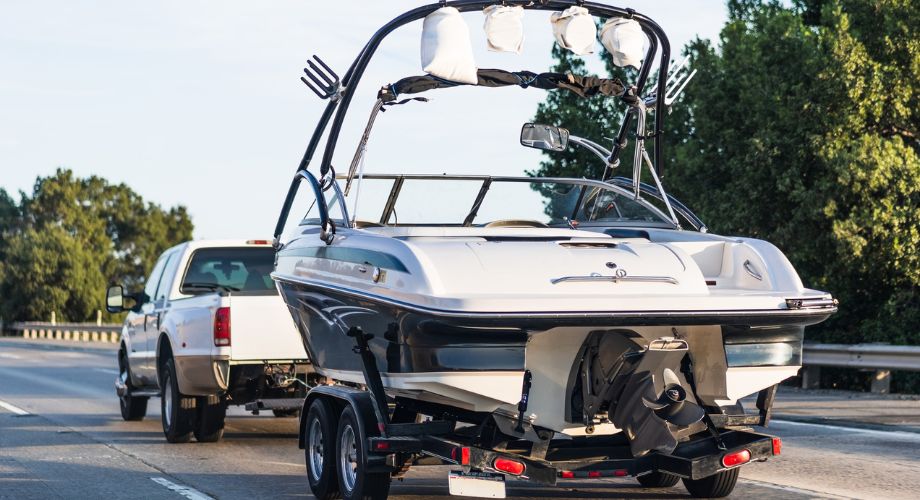
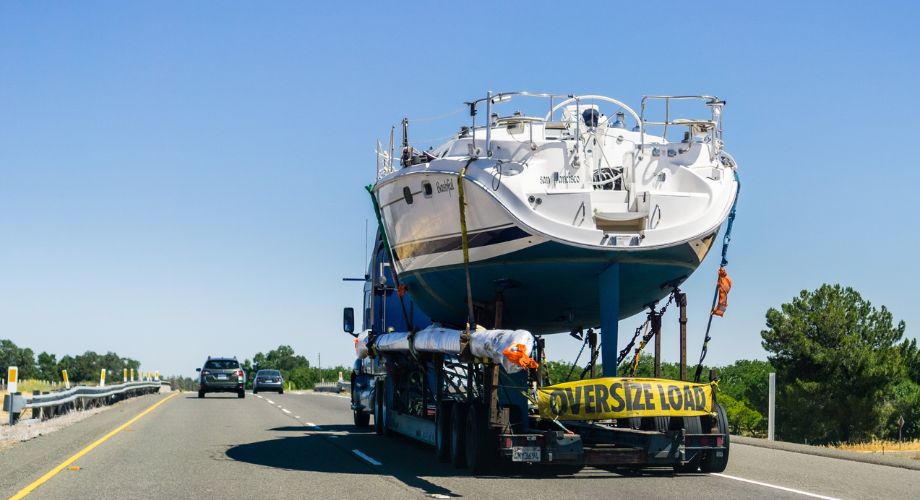
- Overland Transport: Ideal for smaller yachts (generally under 50 feet), this involves transporting your yacht via trailer on a truck. It’s often used for domestic moves and can be more cost-effective than sea routes, depending on distance and regulations.
- Float-On/Float-Off (Semi-Submersible Ships): One of the most popular solutions for large yachts, this method uses a specially designed yacht transport ship that submerges to allow yachts to float into place, then raise the yacht deck and secure the cargo. It’s commonly used for transatlantic deliveries.
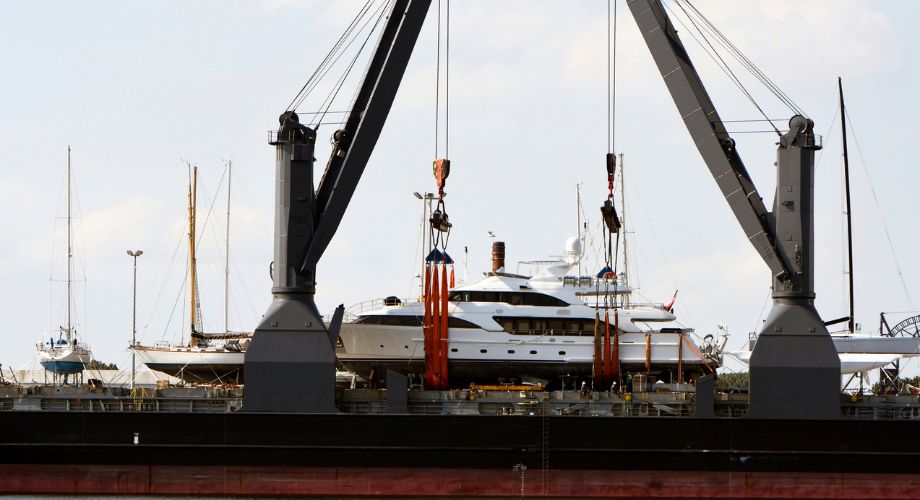
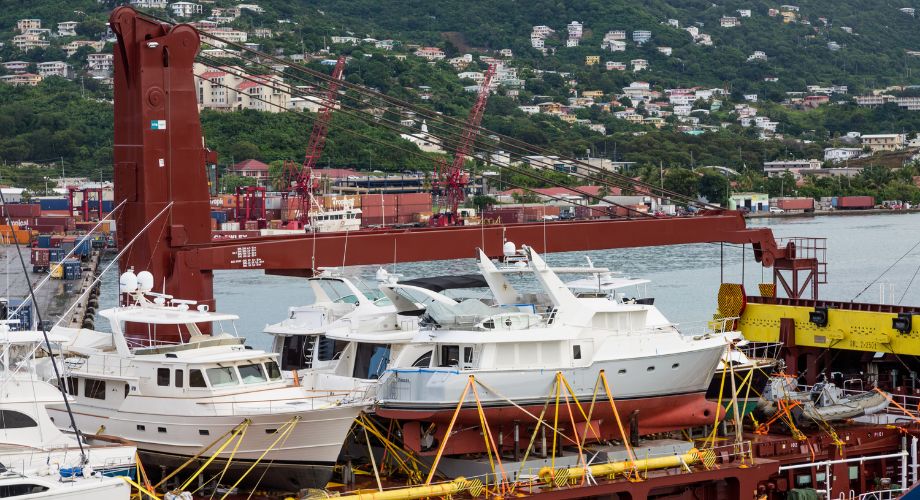
- Lift-On/Lift-Off (LOLO): Cranes lift the yacht onto a cargo ship or container vessel. This option is frequently used for mid-size yachts and offers flexibility for various port locations.
- Sailing Delivery: A professional yacht crew sails your yacht from point A to B. While this puts hours on the yacht engine and wear on the yacht hull, it may be more economical for shorter distances or vessels designed for long-range cruising.
- Roll-On/Roll-Off (RORO): Suitable for boats on trailers, this method rolls the yacht onto a vessel’s deck or cargo hold. It’s rarely used for large yachts but can be ideal for trailerable boats.
Each method has its pros and cons, and the best choice depends on the yacht’s size, your timeline, budget, and destination.
Yacht Transport Cost: What to Expect
When considering yacht transport prices, it’s important to remember that no two quotes are the same. Multiple variables influence the cost to transport a yacht, including:
- Vessel Size & Weight: Larger, heavier yachts naturally cost more to transport due to equipment needs and logistical complexity.
- Distance & Route: A transatlantic shipment will command a significantly higher fee than a coastal repositioning.
- Origin and Destination Ports: Some ports are more expensive due to customs clearance, port fees, and access challenges.
- Transport Method: Float-on/float-off services typically cost more than overland yacht transport but offer added safety and ease.
- Seasonal Demand: Costs can spike during peak seasons when many yacht owners are relocating vessels for summer or winter cruising.
So, how much does it cost to have a yacht delivered? Prices can range from $5,000 for a short-haul overland move to over $200,000 for transporting a large superyacht overseas. Always request detailed quotes from multiple providers and confirm what’s included—yacht insurance, cradling, customs clearance, and permits can all add to the total.
Choosing the Right Yacht Transport Company
With so much at stake, choosing among the many yacht transport companies is a decision that should not be rushed. Look for yacht transporters that specialize in yachts of your vessel size and have verifiable experience, insurance, and references.
A reputable yacht transporter will:
- Conduct a pre-shipment inspection
- Provide detailed documentation and timelines
- Offer cradle and securing systems designed for marine vessels
- Have marine insurance coverage in place
- Be familiar with international customs procedures if applicable
It’s also worth asking about added services, such as shrink wrapping, yacht hull cleaning before departure, or delivery crew options once the vessel arrives.
International Yacht Transportation Tips
If your journey crosses borders, international yacht transportation introduces added complexity. Documentation, duties, and local regulations must be managed carefully. Prepare the following:
- Yacht ownership documents and registration papers.
- Customs declarations for temporary or permanent import.
- Insurance verification covering transit and handling.
- Permits for special handling or protected marine areas.
Also, consider whether the country of arrival requires specific safety or emissions compliance, especially in the EU. A qualified transport provider can assist with this paperwork or recommend a customs agent familiar with port to port yacht transport procedures.
Superyacht Transport Considerations
When it comes to superyacht transport, everything scales: the risk, the cost, and the level of expertise required. These yachts often exceed 100 feet and involve complex systems, delicate materials, and multimillion-dollar valuations.
Superyachts typically travel on semi-submersible transport vessels due to their size and value. Additionally, you’ll need:
- A dedicated project manager
- Specialist cradling and support
- Security and tracking systems during transport
- Pre- and post-delivery inspections
- Shipyard coordination at both ends
For many superyacht owners, the cost of transport is offset by the preservation of the yacht’s condition, reduction in crew costs, and on-time seasonal arrival.
Frequently Asked Questions
Can I ship my yacht fully loaded?
In most cases, personal items should be removed due to weight and insurance considerations. However, some transporters allow minimal gear if it is properly secured.
How far in advance should I book?
It’s advisable to book at least six to eight weeks in advance, especially for international or high-season transport.
Do I need insurance if the company already has coverage?
Yes. While the transporter’s insurance covers certain liabilities, having your own marine cargo policy ensures full protection.
Navigating the World of Yacht Transport
Transporting a yacht is more than a logistical task—it’s a critical part of yacht ownership that demands careful planning, expert coordination, and trusted partnerships. Whether you’re shipping a 40-foot cruiser to the Caribbean or arranging superyacht transport across the Atlantic, understanding the process helps protect your yacht investment and peace of mind.
By researching yacht transport costs, understanding your options, and selecting the right yacht transport company, you can ensure a safe, smooth journey—no matter where in the world your cruising dreams take you.
Start your search for yacht transportation with YATCO and get multiple quotes to compare yacht transport prices today.