The push toward sustainable yachts 2026 comes at a pivotal moment for the industry. Pressure from regulators, increasing transparency around emissions, and heightened owner expectations are converging to reshape the future of yacht design. Buyers who once prioritized speed, size, and status now increasingly view sustainability as part of their luxury profile.
Alongside this cultural shift, shipyards must meet evolving emissions targets and adapt to coastal regulations that limit older propulsion technologies. Even charter guests, particularly younger UHNW travelers, are asking about ecological impact and responsible cruising practices. As a result, sustainability has transitioned from an optional talking point to a core requirement driving engineering decisions, material choices, and long-term build strategies.
Hybrid & Electric Propulsion: The 2026 Standard
Hybrid propulsion is becoming the defining feature of eco yacht technology, with many shipyards targeting 2026 for their most advanced energy-efficient models. Next-generation hybrid propulsion yachts now integrate diesel-electric systems that reduce fuel consumption, lower noise and vibration levels, and support silent mode operations for extended periods.
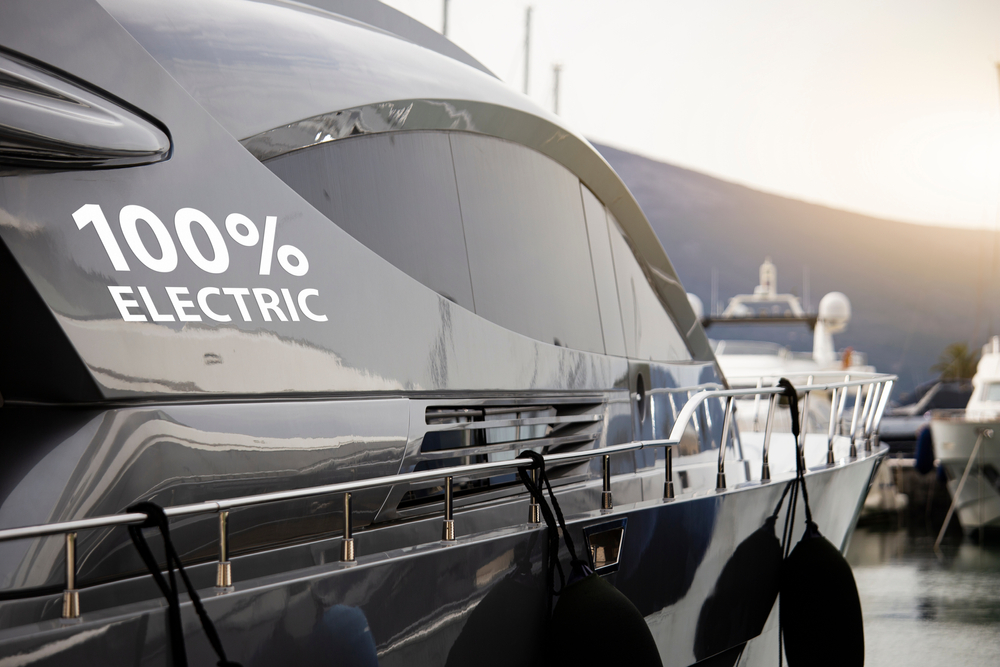
Advances in battery density are also allowing for longer zero-emission cruising windows, especially in protected anchorages or during night operations. Solar integration is quietly expanding too, not as a primary power source, but as a valuable supplement that offsets hotel loads and supports auxiliary systems. This trifecta of diesel-electric, battery storage, and solar enhancement is laying the groundwork for a new normal in propulsion engineering.
Renewable & Recycled Materials in Yacht Construction
Green yacht design is also transforming the materials landscape. Teak, what was once the signature of yacht decking, is being replaced or supplemented by teak alternatives that offer lower impact and improved durability. These materials reduce deforestation pressures and deliver consistent performance regardless of climate.
Many 2026 new builds are also incorporating recycled aluminum, which dramatically decreases emissions during production while maintaining structural strength. Composite manufacturers are developing resins that utilize recycled ocean plastics, accelerating the circular economy and giving waste materials new purpose onboard. Interior designers are embracing natural fibers, recycled textiles, and low-VOC finishes to create healthier environments while supporting more sustainable boat building practices.
Shipyards Leading the Eco-Yacht Movement
Several major builders are driving innovation in green yacht design, each taking unique approaches to sustainable construction. Benetti continues to push hybrid systems and hull efficiency advancements across its superyacht range. Feadship remains at the forefront of engineering research, developing battery banks and alternative fuels for future builds.
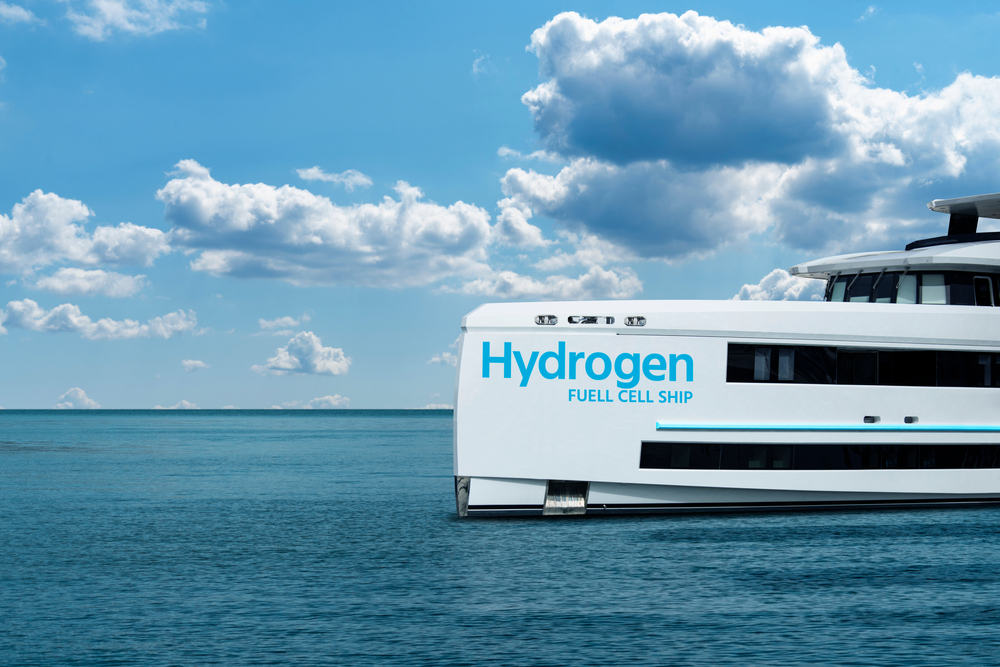
Heesen is refining lightweight construction techniques that reduce fuel burn without sacrificing performance. Sanlorenzo is investing in modular hybrid technologies and hydrogen-readiness across new models. Sunseeker is integrating smarter power management and sustainable materials across their production yachts.
Collectively, these yards are accelerating the shift toward eco-forward yachting and shaping what buyers will expect in 2026 and beyond.
What Buyers Want in Eco-Friendly Sustainable Yachts
Owners exploring sustainable yachts in 2026 are drawn to several recurring attributes: fuel efficiency, reduced noise, smooth operation, and lower long-term maintenance demands. Hybrid propulsion offers significant savings over time, while silent cruising modes appeal to those seeking privacy and tranquility at anchor. Buyers also increasingly value the ability to enter protected areas with fewer ecological restrictions, offering access to destinations previously off-limits to higher-emission yachts.
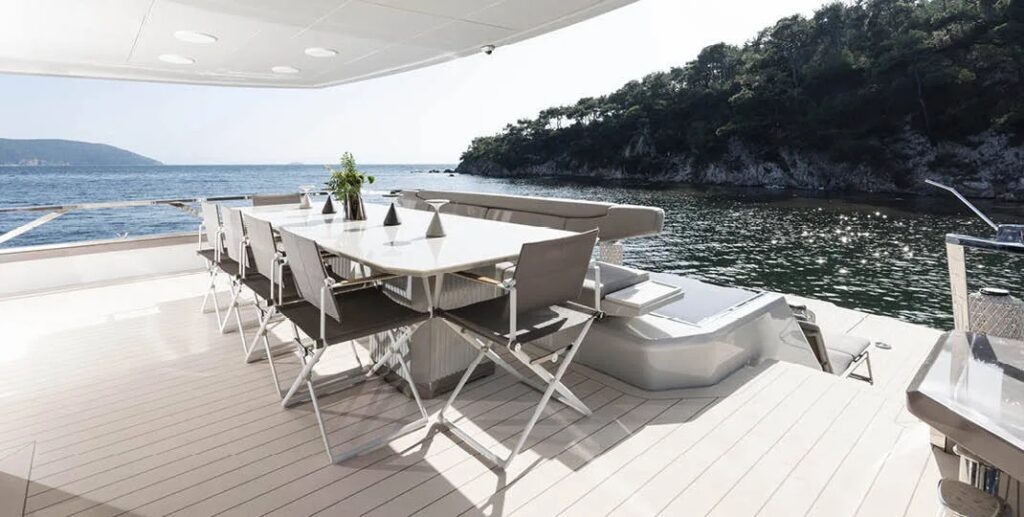
Charter guests express interest in responsible travel, particularly when itineraries involve remote islands, marine sanctuaries, or wildlife-sensitive areas. Ultimately, eco-friendly yachts represent not just a trend, but a fundamental shift in luxury values that elevates environmental awareness into the realm of design prestige.
2026 May Be the Turning Point for Sustainable Yachting
If momentum continues, 2026 may be remembered as the year sustainable yachting truly went mainstream. With more hybrid propulsion yachts, greener materials, and efficient hull forms entering the market, owners and charterers will have greater access than ever to responsible yet high-performance vessels. And as this shift accelerates, YATCO’s trusted specifications, listings, and data-driven insights will help clients make more informed decisions about the technologies defining the next era of yachting.